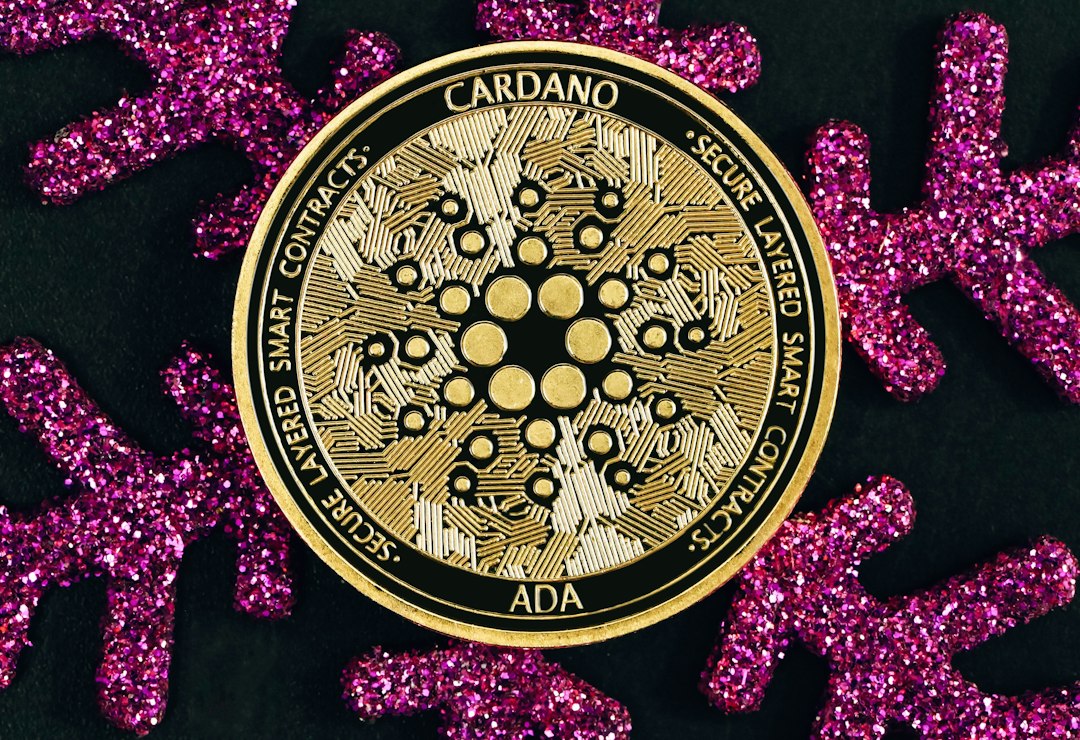
Cardano has emerged as a formidable force in the blockchain landscape. It stands out due to its unique architecture and unwavering commitment to security, scalability, and sustainability. This platform operates on a proof-of-stake consensus mechanism, which differentiates it from many other cryptocurrencies that rely on energy-consuming mining processes. Overall, Cardano’s innovative approach is well-aligned with the future of blockchain technology.
Understanding Cardano’s Unique Features
The foundation of Cardano lies in its layered architecture. This design separates the settlement layer from the computation layer, allowing for greater scalability and flexibility. This feature enables smart contracts and decentralized applications (dApps) to run smoothly, enhancing user experience. Moreover, Cardano emphasizes formal verification, a means of ensuring code correctness through mathematical proofs.
Key Aspects of Cardano
- Proof of Stake: Cardano utilizes the Ouroboros protocol, a more energy-efficient alternative to proof-of-work systems.
- Multi-layer Architecture: Separating transactions from smart contracts simplifies operations and increases effectiveness.
- Formal Verification: This guarantees the integrity of smart contracts, reducing bugs and vulnerabilities.
- Governance Mechanisms: Cardano allows users to participate in decision-making processes, promoting a democratic ecosystem.
Comparison with Other Blockchains
When comparing Cardano to other leading blockchains like Ethereum and Bitcoin, it is essential to understand its projections. Unlike Bitcoin’s simplistic approach to transactions, Cardano focuses more on processing power and real-world applications. Similarly, while Ethereum allows smart contracts, it struggles with scalability issues; Cardano aims to address these through its innovative protocol.
Benefits of Using Cardano
- Reduced Transaction Costs: Cardano users enjoy lower fees, attracting diverse projects.
- Sustainable Development: Its environmentally friendly proof-of-stake mechanism paves the way for sustainable technology.
- Interoperability: Cardano aims to connect multiple blockchains, enhancing functionality.
- Community Engagement: Users can vote on important issues, making Cardano a truly decentralized network.
The Rise of Cardano: Recent Developments
Recently, Cardano has engaged in numerous collaborations and projects. Notably, initiatives in Africa have shown potential for blockchain technology to transform economies. For more detailed insights into these groundbreaking efforts, check out our article on The Rise of Cardano: Revolutionizing Blockchain Technology.
Future Outlook for Cardano
The future looks promising for Cardano. With active development and community support, there are plans for significant upgrades that will enhance its capabilities. Currently, the team is focusing on expanding dApps and improving network interoperability. As a result, Cardano’s role within the blockchain ecosystem is likely to grow, positioning it as a leader in decentralized technologies.
Conclusion
Cardano represents a fundamental shift towards a more sustainable, scalable, and secure blockchain solution. Its layered architecture, community governance, and focus on formal verification are vital elements that set it apart from its competitors. As the crypto landscape evolves, staying updated on Cardano’s advancements will be crucial for investors and developers alike.
To delve deeper into Cardano’s intricacies, consider reading our comprehensive analysis in An In-Depth Exploration of Cardano.