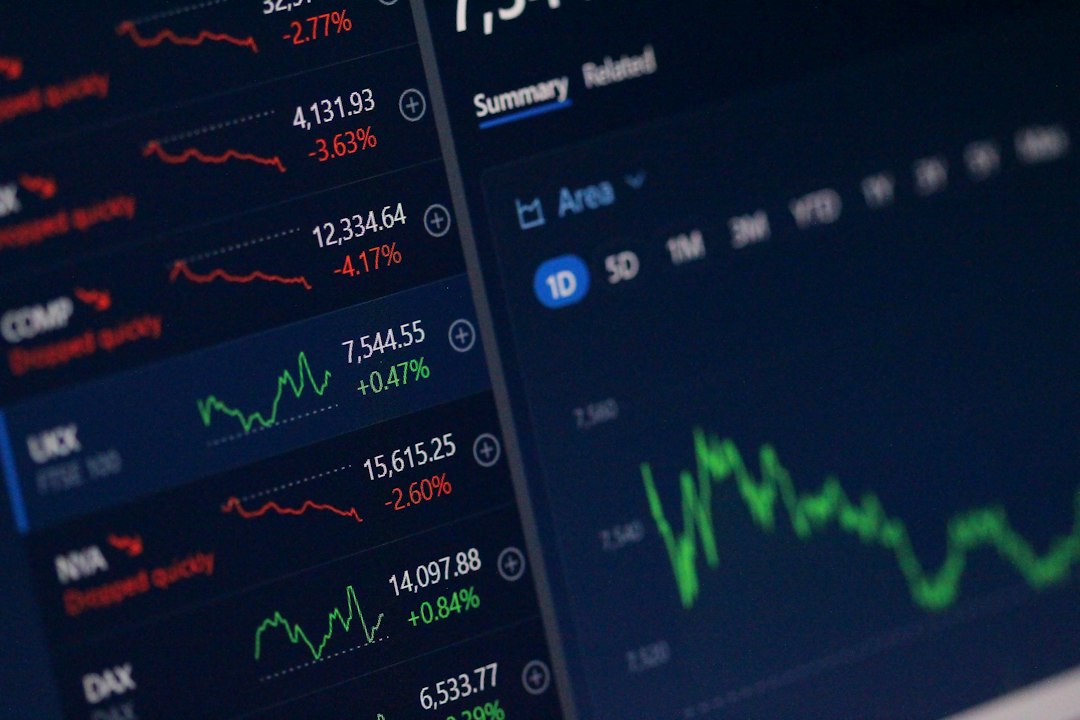
In the rapidly evolving world of cryptocurrency, exchanges play a crucial role in facilitating buying, selling, and trading digital assets. With a plethora of options available, selecting the right exchange can significantly impact your investment experience. This guide delves into the critical aspects of cryptocurrency exchanges, offering insights to help you make informed decisions.
Types of Cryptocurrency Exchanges
Understanding the different types of exchanges is essential for grasping how they function within the crypto ecosystem. The primary categories include:
- Centralized Exchanges (CEX): These platforms are controlled by centralized organizations. They provide user-friendly interfaces, high liquidity, and a variety of trading pairs but require users to entrust their funds to the exchange.
- Decentralized Exchanges (DEX): Operating without a central authority, DEXs allow users to trade directly with one another. They enhance privacy and offer greater control over funds but may come with lower liquidity.
- Hybrid Exchanges: Combining features of both CEXs and DEXs, hybrid exchanges attempt to offer the security of decentralization with the ease of use and liquidity typical of centralized platforms.
Centralized vs. Decentralized: Pros and Cons
When choosing between a centralized and decentralized exchange, consider the following:
- Centralized Exchanges: These typically offer a wider selection of cryptocurrencies, easier onboarding processes, and advanced trading tools. However, they are more vulnerable to hacks.
- Decentralized Exchanges: These platforms promote privacy, user control, and security. Yet, they often come with a steeper learning curve and may have fewer available trading pairs.
Key Features to Consider When Choosing a Cryptocurrency Exchange
When evaluating exchanges, keep an eye out for these critical features:
Security Measures
Security should always be a top priority when dealing with cryptocurrencies. Look for exchanges that provide:
- Two-factor authentication (2FA)
- Cold storage for funds
- Regular security audits
User Experience and Interface
The ease of use of a platform is just as important. A simple, intuitive interface can greatly enhance your trading experience. Consider:
- How easily can you navigate the platform?
- Are there mobile and desktop applications available?
Trading Fees and Costs
Every exchange has its own fee structure that can significantly impact your investment returns. Pay attention to:
Different Types of Fees
Common fees on exchanges include:
- Trade Fees: Charged for buying or selling cryptocurrencies.
- Withdrawal Fees: Fees incurred when transferring your cryptocurrency to another wallet.
- Deposit Fees: Some exchanges charge fees for adding funds.
Comparing Fees Across Exchanges
To maximize your profitability, make sure to compare the fees across various exchanges. Tools like the Best strategies to track performance of your cryptocurrency investments can assist in evaluating the total cost of trading on different platforms.
Liquidity and Trading Volume
Liquidity is vital for smooth transactions. A higher trading volume often indicates a more liquid market, enabling you to execute trades quickly and without significant price slippage.
Assessing Liquidity
Check the trading volume of the cryptocurrencies you’re interested in. Major exchanges typically have larger trading volumes, leading to better liquidity.
Customer Support and Community Feedback
Reputable exchanges usually offer robust customer support. Look for:
- Multiple Support Channels: Email, chat, and phone support options are desirable.
- User Reviews and Ratings: Research community feedback on platforms like Reddit, Trustpilot, and crypto forums.
Conclusion
Choosing the right cryptocurrency exchange can profoundly affect your trading success. Take your time to research and compare the options available. Emphasize security, fees, and user experience to ensure a smooth trading journey. Fidelity to these principles will empower you to navigate the world of cryptocurrencies effectively.