Soft Fork in Cryptocurrency

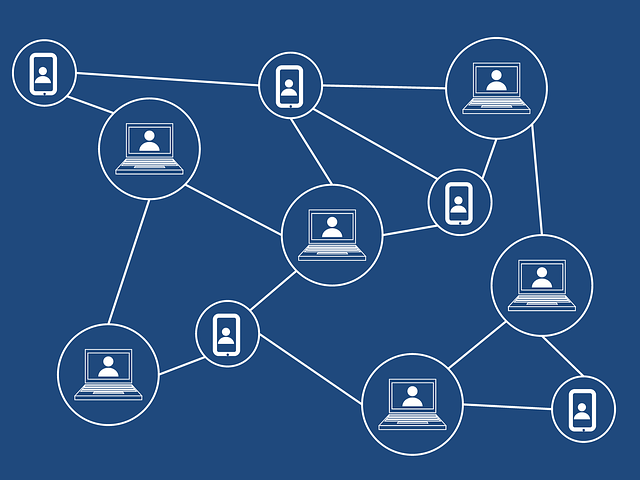
Cryptocurrencies steunen op twee belangrijke technologieën, waaronder cryptografie en blockchain. Simpel gezegd zijn het deze twee technologieën die crypto’s hebben verankerd en ze tot het gesprek van de dag hebben gemaakt. Naast deze technologieën is er de ontginning van cryptocurrency en nodes. Nu moet u voldoende op de hoogte zijn dat cryptocurrency mining het proces is waardoor de virtuele valuta’s tot stand komen. Het proces van crypto-mijnbouw is een hoogtechnologisch proces dat wordt uitgevoerd door crypto-knooppunten.

Crypto-knooppunten daarentegen zijn alle individuele computers die verbonden zijn met een netwerk van anderen, protocollen volgen en kruiselings informatie kunnen uitwisselen. Voor een gedetailleerd begrip van hoe crypto-knooppunten worden opgezet en in het echt werken, leest u Wat is een Bitcoin-knooppunt? Vanuit een basisbegrip van nodes komt de vraag hoe de oude nodes werkelijk aan de nieuwe worden gekoppeld, zodat de blockchain een continuïteit blijft. Het antwoord hierop is een zachte vork.

In cryptocurrency zorgt een soft fork ervoor dat nodes in de nieuwe crypto kunnen communiceren met de oude nodes en vice versa. Dat betekent dat er wel updates zijn, maar dat er geen nieuwe blockchain wordt gemaakt. Dat komt omdat het origineel blijft.

In blockchain-technologie verwijst een soft fork naar een verandering in het softwareprotocol waardoor de vorige geldige transacties ongeldig worden. De belangrijkste reden is dat de oude knooppunten de nieuwe blokken als legitiem beschouwen. Daarom is de zachte vork achterwaarts compatibel.

Begrijpen van zachte vork

Een soft fork is een tijdelijke splitsing die anders is dan een hard fork. Bij een soft fork mogen knooppunten van de oude consensus nieuwe transacties als geldig beschouwen. Bovendien hoeven bij soft forks niet alle miners het eens te zijn over het draaien van een nieuwe code. Het kan worden uitgevoerd als de meeste handelaren ermee instemmen.

Het feit dat niet iedereen het met elkaar eens is, is goed. De reden hiervoor is dat netwerkupgrades zo snel kunnen worden uitgevoerd zolang de meeste leden van de gemeenschap het ermee eens zijn. In sommige gevallen vindt een soft fork plaats als gevolg van een fout van een mijnwerker. Het gebeurt wanneer de oude knooppunten nieuwe regels overtreden waarvan men zich niet bewust is. Grappig genoeg is de beste manier om een soft fork terug te draaien, een hard fork.

Wanneer een soft fork plaatsvindt in crypto, worden de regels voor de aanvaarding van een blok in de blockchain gewijzigd. De regels worden geacht achterwaarts compatibel te zijn. Dit betekent gewoon dat de nieuwe regels die in de nieuwe versie zijn opgenomen, een subset van de oude regels zijn. Een voorbeeld: als de snelheidslimiet in een stad wordt gewijzigd van 50 in 70 km/u, dan houden de mensen die 50 km/u rijden zich nog steeds aan de regels.

Een soft fork verstoort een blockchain niet in hoge mate. Het is te wijten aan het feit dat de knooppunten niet alle eerder gemijnde blokken hoeven te wijzigen om geldig te zijn na de aankondiging van een nieuw kader. Daarom zullen zij volgens de nieuwe regels worden aanvaard.

Soft forking is een semi-permanente afwijkingsvorm in blockchain technologie. Omdat de veranderingen minder drastisch zijn, resulteren ze niet in grote veranderingen in de marktwaarde van de crypto. Bovendien kunnen de veranderingen gemakkelijk ongedaan worden gemaakt.

Voorbeeld van een Soft Fork in Cryptocurrency

Een voorbeeld is de SegWit Soft Fork die in 2017 plaatsvond. In die tijd vond in de Bitcoin-keten de soft fork plaats van het segregated witness-protocol. De belangrijkste uitvoering ervan was het verhogen van de limiet van de blokgrootte. Een andere implementatie was het verhogen van de transactiesnelheid van de keten.

Hoewel het een soft fork was, beïnvloedde het sommige mijnwerkers die het nieuwe protocol niet wilden, om aan te dringen op een hard fork en zo Bitcoin Cash te ontwikkelen. Segwit veranderde het formaat van transacties en blokken. Dit was om de oude nodes in staat te stellen transacties en blokken te valideren.

Hard Fork of Soft Fork, welke is beter?

De soft fork en hard fork dienen verschillende doelen. Hoewel een betwistbare hard fork meestal de gemeenschap verdeelt, kan een slimme en goed geplande hard fork leiden tot software-aanpassing. Maar iedereen moet het eens zijn.

Volgens de cryptobeurzen dienen soft fork en hard fork verschillende doelen. Hiervoor kunnen de harde vorken de zachte vorken vervangen, omdat zij diplomatiek en zacht zijn. Als de actualiseringen de huidige voorschriften niet veranderen, is er geen reden tot bezorgdheid.

Waarom zachte vorken plaatsvinden

Soft fork in cryptocurrency heeft de neiging om functie toe te voegen of te wijzigen door niet in te grijpen in de structuur van de blockchain. Enkele van de redenen waarom dit zou kunnen gebeuren zijn software-upgrades of -wijzigingen en een wijziging in het consensusalgoritme.

In het geval dat de meeste miners in een netwerk-upgrade hashing-kracht gebruiken om regels af te dwingen, is er sprake van een miner-activated soft fork (MASF). Anderzijds is er sprake van een door de gebruiker geactiveerde soft fork (UASF) wanneer alle knooppunten coördineren bij het afdwingen van nieuwe regels. De mijnwerkers hoeven het besluit echter niet te steunen.

De belangrijkste verschillen tussen Hard Fork en Soft Fork

Terwijl de harde vork achterwaarts incompatibel is, is de zachte vork achterwaarts compatibel. Ook is een hard fork omkeerbaar terwijl een soft fork onomkeerbaar is. De enige manier om het te corrigeren is door het eerst in een harde vork te veranderen. Bovendien ontwikkelt een harde vork uiteindelijk twee blockchains, terwijl een zachte vork uiteindelijk één enkele blockchain creëert.

Een harde vork lijkt ook veiliger te zijn dan een zachte vork. Wat de regels betreft, de hard fork heeft alle miners nodig om de nieuwe regels te valideren. Maar voor een soft fork is alleen een meerderheid van de miners nodig. Hoewel een hard fork alle regels in de blockchain verandert, maakt een soft fork gebruik van het toevoegen van nieuwe eigenschappen en kenmerken in een blockchain.

Soft Fork in Cryptocurrency

Kriptovalūtas balstās uz divām svarīgām tehnoloģijām – kriptogrāfiju un blokķēdi. Vienkāršāk sakot, tieši šīs divas tehnoloģijas ir nostiprinājušas kriptovalūtas un padarījušas tās par tādām, par kādām tās runā šodien. Līdztekus šīm tehnoloģijām ir kriptovalūtas ieguve un mezgli. Tagad jums jau ir pietiekami labi zināms, ka kriptovalūtu ieguve ir process, kurā rodas virtuālās valūtas. Kriptoglabāšanas process ietver augsto tehnoloģiju procesu, ko veic kripto mezgli.

Savukārt kriptomezgli ir katrs atsevišķs dators, kas ir savienots ar citu datoru tīklu, ievēro protokolus un nodrošina informācijas apmaiņu. Lai iegūtu sīkāku informāciju par to, kā kriptogrāfijas mezgli tiek izveidoti un darbojas reālajā dzīvē, lūdzu, izlasiet: Kas ir Bitcoin mezgls? No pamatizpratnes par mezgliem izriet jautājums par to, kā vecie mezgli patiešām savienojas ar jaunajiem, lai blokķēde saglabātu nepārtrauktību. Atbilde uz šo jautājumu ir mīkstā dakša.

Kriptovalūtā ” soft fork ” ļauj jaunās kriptovalūtas mezgliem sazināties ar vecās kriptovalūtas mezgliem un otrādi. Tas nozīmē, ka, lai gan tiek veikti atjauninājumi, netiek radīta jauna blokķēde. Tas ir tāpēc, ka sākotnējais saglabājas.

Blokķēdes tehnoloģijā“soft fork” ir programmatūras protokola izmaiņas, un iepriekšējie spēkā esošie darījumi kļūst nederīgi. Galvenais iemesls ir tas, ka vecie mezgli uzskata jaunos blokus par likumīgiem. Tāpēc mīkstā dakša ir savietojama ar iepriekšējo versiju.

Izpratne par mīksto dakšiņu

“Soft fork” ir pagaidu sadalīšana, kas atšķiras no “hard fork”. Soft fork gadījumā vecā konsensa mezgliem ir atļauts uzskatīt jaunus darījumus par derīgiem. Turklāt maigajām dakšiņām nav nepieciešams, lai visi kalnraču piekrišana darbināt jaunu kodu. To var īstenot, ja tam piekrīt lielākā daļa tirgotāju.

Tas, ka tā neļauj visiem cilvēkiem vienoties, ir labi. Iemesls ir tāds, ka tīkla modernizāciju var veikt tik ātri, kamēr lielākā daļa kopienas locekļu tam piekrīt. Dažos gadījumos “soft fork” notiek kalnrača kļūdas dēļ. Tas notiek, ja vecie mezgli pārkāpj jaunus noteikumus, par kuriem cilvēks nav informēts. Interesanti, ka vislabākais veids, kā mainīt mīksto dakšiņu maiņu, ir izmantot cieto dakšiņu.

Kad kriptovalūtā notiek “soft fork”, tiek mainīti noteikumi, kas nosaka bloka pieņemšanu blokķēdē. Noteikumi tiek uzskatīti par savietojamiem ar iepriekšējo posmu. Tas vienkārši nozīmē, ka jaunajā versijā iekļautie jaunie noteikumi ir veco noteikumu apakškopa. Piemēram, ja ātruma ierobežojums pilsētā tiek mainīts no 50 uz 70 km/h, tad cilvēki, kas brauc ar 50 km/h, joprojām ievēro noteikumus.

Soft fork nav ļoti traucē blockchain. Tas ir saistīts ar to, ka mezgliem nav jāmaina visi iepriekš iegūtie bloki, lai tie būtu derīgi pēc jaunas sistēmas paziņošanas. Tāpēc tie tiks pieņemti saskaņā ar jaunajiem noteikumiem.

Soft forking ir daļēji pastāvīga atšķirību forma blokķēdes tehnoloģijā. Tā kā izmaiņas nav tik krasas, tās nerada lielas kriptonaudas tirgus vērtības izmaiņas. Turklāt izmaiņas var viegli mainīt.

Kriptovalūtas maigās dakšas piemērs

Kā piemēru var minēt 2017. gadā notikušo SegWit Soft Fork. Šajā laikā Bitcoin ķēdē tika ieviesta nodalīto liecinieku protokola maigā dakša. Tās galvenais īstenošanas mērķis bija palielināt bloka lieluma ierobežojumu. Vēl viena ieviešana bija ķēdes darījumu ātruma palielināšana.

Lai gan tā bija mīksta dakša, tā ietekmēja dažus kalnračus, kuri nevēlējās jauno protokolu, lai tie pieprasītu “cieto dakšu”, tādējādi attīstot Bitcoin Cash. Segwit mainīja darījumu un bloku formātu. Tas tika darīts, lai vecie mezgli varētu apstiprināt darījumus un blokus.

Kurš no tiem ir labāks – Hard Fork vai Soft Fork?

Mīkstajai un cietai dakšiņai ir dažādi mērķi. Lai gan strīdīga “hard fork” parasti sašķeļ kopienu, tomēr gudri un labi izplānoti strīdi var novest pie programmatūras modifikācijas. Tomēr visiem ir jābūt vienisprātis.

Saskaņā ar kriptovalūtas biržās, soft fork un hard fork kalpo dažādiem mērķiem. Šim nolūkam cietās dakšas var aizstāt mīkstās dakšas, jo tās parasti ir diplomātiskas un maigas. Ja atjauninājumi nemaina spēkā esošos noteikumus, nav pamata uztraukties.

Kāpēc tiek izmantotas mīkstās dakšas

Soft fork kriptovalūtā mēdz pievienot vai mainīt funkcijas, neiejaucoties blokķēdes struktūrā. Daži no iemesliem, kas to var izraisīt, ir programmatūras atjaunināšana vai maiņa un konsensa algoritma izmaiņas.

Gadījumā, ja lielākā daļa kalnraču tīkla modernizācijā izmanto hashing jaudu, lai ieviestu noteikumus, tad tā ir kalnraču aktivizēta soft fork (MASF). No otras puses, lietotāja aktivizēta maigā dakša (UASF) ir tad, kad visi mezgli koordinēti ievieš jaunus noteikumus. Tomēr kalnračiem šis lēmums nav jāatbalsta.

Galvenās atšķirības starp Hard Fork un Soft Fork

Kamēr cietā dakša ir atpakaļ nesavienojama, mīkstā dakša ir atpakaļ savietojama. Turklāt cietā dakša ir atgriezeniska, bet mīkstā dakša ir neatgriezeniska. Vienīgais veids, kā to labot, ir vispirms to pārvērst par “cieto dakšiņu”. Turklāt cietā dakša beigās izveido divas blokķēdes, bet maigā dakša beigās izveido vienu blokķēdi.

Šķiet, ka cietā dakša ir arī drošāka nekā mīkstā dakša. Attiecībā uz noteikumiem, hard fork ir nepieciešams, lai visi kalnrači apstiprinātu jaunos noteikumus. Tomēr, runājot par “soft fork”, ir nepieciešams, lai tam piekristu vairākums kalnraču. Lai gan cietā dakša maina visus blokķēdes noteikumus, maigā dakša izmanto jaunu īpašību un funkciju pievienošanu blokķēdē.

Soft Fork in Cryptocurrency

Cryptocurrencies squarely rely on two important technologies which include cryptography and blockchain. Put simply, it is these two technologies that have anchored cryptos and made them the talk of town they are today. Alongside these technologies is cryptocurrency mining and nodes. By now, you must be adequately aware that cryptocurrency mining is the process through which the virtual currencies come to be. The process of crypto mining involves high-tech process performed by crypto nodes.

Crypto nodes on the other hand is every individual computer which is connected to a network of others, follows protocols and allows crosscutting exchange of information. For a detailed understanding of how crypto nodes are set up and operate in real life, please read, What is a Bitcoin Node? From a basic understanding of nodes, comes the question on how the old ones really link up with new ones so that the blockchain remains a continuity. The answer to this is soft fork.

In cryptocurrency, a soft fork allows nodes in new crypto to communicate with the old nodes and vice versa. It means that even though there are updates, there is no creation of a new blockchain. This is because the original one remains.

In blockchain technology, a soft fork refers to a change in software protocol and the previous valid transactions become invalid. The main reason is that the old nodes regard the new blocks as legit. Therefore, the soft fork is backward compatible.

Understanding Soft Fork

A soft fork is a temporary split that is different as compared to a hard fork. In a soft fork, nodes from the old consensus are allowed to consider new transactions as valid. Moreover, the soft forks do not need all the miners to agree in running a new code. It may be implemented if most of the traders agree.

The fact that it does not allow everyone to all people to agree is good. The reason is that network upgrades may be carried out so fast as long as most members of the community agree. In some cases, a soft fork takes place because of a miner’s mistake. It happens when the old nodes violate new rules which one is not aware of. Funnily, the best way of reversing a soft fork is through a hard fork.

When a soft fork takes place in crypto, the rules governing a block’s acceptance in the blockchain are changed. The rules are considered backward compatible. This simply means that new rules included in the new version are a subset of the old rules. An example is in case the speed limit of a town is changed from 50 to 70 km/h then the people driving at 50 km/h are still obeying the rules.

A soft fork does not highly disrupt a blockchain. It is dues to the fact that the nodes do not need to change all blocks that were previously mined for the blocks to be valid after the announcement of a new framework. Therefore, they will be accepted according to the new rules.

Soft forking is a semi-permanent divergence form in blockchain technology. Because the changes are less drastic, they do not result in high changes in the crypto’s market value. Besides, the changes can be easily reversed.

Example of a Soft Fork in Cryptocurrency

An example is the SegWit Soft Fork that took place in 2017. During that time, the segregated witness protocol soft fork took place in the Bitcoin chain. Its main implementation was to increase the limit of the block size. Another implementation was increasing the chain’s transaction speed.

Even though it was a soft fork, it influenced some of the miners who did not want the new protocol to push for a hard fork thus developing Bitcoin Cash. Segwit changed the format of transactions and blocks. This was to allow the old nodes to validate transactions and blocks.

Hard Fork or Soft Fork, Which One is Better?

The soft fork and hard fork serve varied objectives. Even though a disputable hard fork usually divides the community but clever and well-planned ones may result in software modification. However, everyone has to be in an agreement.

According to the crypto exchanges, soft fork and hard fork serve distinct purposes. For this, the hard forks may replace soft forks as they tend to be diplomatic and gentle. If the updates do not alter the current regulations, then there is no need of being worried.

Why Soft Forks Take Place

Soft fork in cryptocurrency tends to add or alter function by not interfering with the structure of the blockchain. Some of the reasons that might make it take place include software upgrades or change and a change in the consensus algorithm.

In a case where most of the miners in a network upgrade utilize hashing power in enforcing rules then this is a miner-activated soft fork (MASF). On the other hand, a user-activated soft fork (UASF) is when all the nodes coordinate in enforcing new rules. However, the miners do not have to support the decision.

The Main Differences Between Hard Fork and Soft Fork

While the hard fork is backward incompatible, the soft fork is backward compatible. Also, a hard fork is reversible while a soft fork is irreversible. The only way of correcting it is to turn it to a hard fork first. Moreover, a hard fork develops two blockchains in the end while a soft fork creates a single blockchain in the end.

A hard fork also seems to be more secure than a soft fork. With regards to the rules, the hard fork needs all the miners to validate the new rules. However, as for soft fork, it just needs a majority of the miners to agree. Even though a hard fork changes all the rules in the blockchain, a soft fork utilizes adding new properties and features in a blockchain.